How Do I Prepare for Hyperbaric Oxygen Therapy?

  • Wear breathable cotton clothing. You will be given hyperbaric scrubs to change into for your treatment.
  • Do not apply cosmetics, lotions, makeup, perfumes, hair products, deodorants, or nail polish.
  • Do not wear wigs or jewelry.
  • Do not drink alcohol 24 hours prior to your treatment.
  • Do not drink large amounts of fluids or carbonated drinks at least four hours prior to treatment.
  • If you are a smoker or use any other tobacco product, you should consider quitting.  Smoking and nicotine interfere with the benefits of hyperbaric oxygen therapy. Please abstain from smoking or using a nicotine patch 24 hours prior to your appointment time.
  • Make sure that you have taken all of your medications as prescribed before going in the chamber.
  • Eat a healthy meal prior to your treatment.
  • If you are diabetic, please bring a snack with you as your blood sugar may decrease while in the chamber. Your blood sugar will be checked by our clinicians before and after each treatment.
  • Remove dentures.
  • Leave your cellphone out of the chamber.
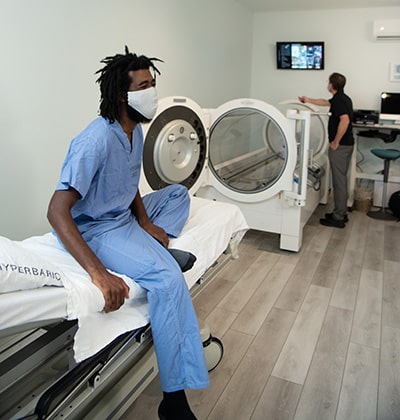
patient is prepare for HOBT at Charlottesville Hyperbarics

Other Frequently Asked Questions:

hyperbaric-oxygen-therapy-chamber-cleaning-procedures-hbot-charlottesville-hyperbarics

Hyperbaric Oxygen Therapy Chamber Cleaning Procedures

how-is-hyperbaric-oxygen-therapy

Why Isn’t Hyperbaric Oxygen Therapy More Prevalent?

hyperbaric-oxygen-therapy-fda-approved-hbot-charlottesville-hyperbarics

Is Hyperbaric Oxygen Therapy FDA Approved?

steps to take in order to receive hyperbaric oxygen therapy treatment hbot charlottesville hyperbarics

How Many Hyperbaric Oxygen Therapy Treatments Do You Need?

hyperbaric oxygen therapy aging At Charlottesville Hyperbarics

Hyperbaric Oxygen Therapy for Aging

hyperbaric oxygen therapy angiogenesis hbot charlottesville hyperbarics hyperbaric oxygen

Hyperbaric Oxygen Therapy and Angiogenesis

Benefits of Hyperbaric Oxygen Therapy include:

Improved Immune Function Antiviral/Antibacterial

Boosts white blood cell counts. White blood cells help fight and prevent disease by making antibodies that attack bacteria and toxins, helping to destroy infected or cancerous cells, and identifying and eliminating pathogens.

Accelerated Tissue Healing

Oxygen is our most essential nutrient, crucial for proper and efficient healing of most injuries. Hyperbaric therapy significantly increases oxygenation of the body’s tissues, helping your body to heal itself in profound ways.

Increased Stem Cell Production

Stem cells replace specialized cells in your body that are damaged or lost. By increasing stem cell production by over 800%, hyperbaric oxygen therapy can vastly accelerate healing.

Increased Blood Flow

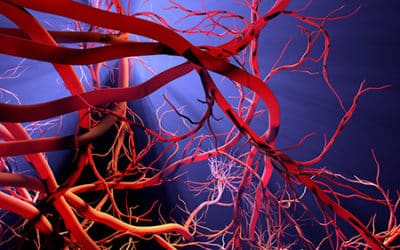
Increase blood flow and circulation through new blood vessel growth via a process called angiogenesis. Blood flow is crucial for healing and for optimal organ function.

Reduce Inflammation

Inflammation has been shown to be at the root of most chronic disease. Oxygen under pressure activates genes that reduce inflammation and promote profound healing.

Reduce Pain

By increasing oxygenation of the body’s tissues, increasing blood flow and reducing inflammation, hyperbaric oxygen therapy can greatly reduce pain and support healing.

Conditions Treated by Hyperbaric Oxygen Therapy Include:

FDA Approved Conditions
  • Diabetic wounds
  • Crush injury
  • Necrotizing soft tissue infection
  • Compromised skin grafts
  • Carbon monoxide poisoning
  • Nitrogen narcosis (decompression sickness)
  • Refractory osteomyelitis
  • Radiation injury
  • Thermal Burns
  • Intracranial abscess
  • Exceptional blood loss (anemia)
  • Gas gangrene
  • Gas embolism
Other Conditions Supported by the International Hyperbaric Association:
  • Antiviral/Antibacterial
  • Autism
  • Athletic injury
  • Cellular regeneration
  • Cerebral palsy
  • Crohn’s disease
  • Cancer
  • Concussion
  • Enhanced Immune Function
  • Irritable bowel disease
  • Lyme disease
  • Macular degeneration (wet)
  • Migraines
  • Multiple sclerosis
  • Neuropathies
  • Post traumatic stress (PTSD)
  • Rheumatism
  • Scleroderma
  • Stroke
  • Traumatic brain injury (TBI)
  • Ulcerative colitis